
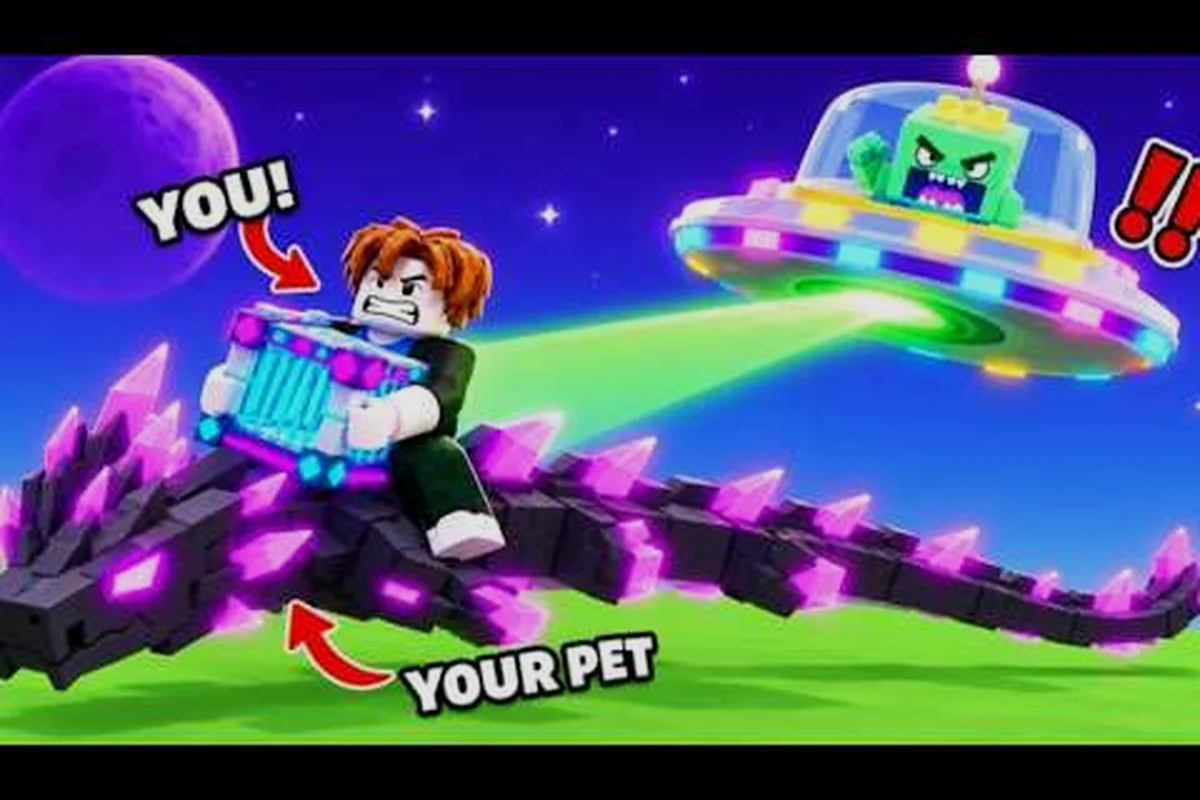
Steal A Pet And Ride It rebirth speed depends on balancing treadmill training, pet multipliers, and barn income before each reset. Use this checklist to rebuild your loop faster and reach the next tier without wasting valuable cash. Start by measuring your current rebirth tier, treadmill income rate, pet multiplier, and available barn space, then compare the cost of another training cycle with the cash needed for your next tier. A strong pet multiplier can shorten the farming phase, but waiting for a higher tier while barn capacity limits passive income may slow the reset; upgrading only when the extra treadmill output reliably pays back its cost keeps the rebirth loop moving without draining cash too early.
What Makes Rebirth Speed Faster?
A fast rebirth is not simply pressing the reset button whenever enough cash is available. The better result comes from combining three systems: treadmill training, pet-mounted movement, and barn income. Because pets remain after rebirth, your collection carries forward while cash and upgrade progress are reset, making the rebuild phase the main opportunity for improvement.
The most important distinction is between Speed and cash per second. Speed reduces the time needed to move, escape, and complete a run, while barn pets produce cash over time. A strong pet for chasing may not be the strongest barn resident, so your setup should assign each pet a clear role.
| Priority | Main benefit | Best use | Rebirth consideration |
|---|---|---|---|
| Speed | Faster movement and escapes | Chasing, escaping, and earning more actions per minute | Keep if it shortens your active playtime |
| Cash per second | Passive barn income | Rebuilding upgrade progress after reset | Keep if its multiplier offsets the new tier cost |
| Luck | Better pet-pull opportunities | Finding a stronger replacement | Valuable when you need a new multiplier |
| Barn capacity | More passive income slots | Long rebuilds and steady progression | Upgrade only when pets are already earning |
Treadmill upgrades increase the training ceiling, while riding a pet adds its own Speed multiplier on top. That makes Speed Demon, which requires 1 million Speed, a useful long-term target. The official game page lists nine badges, including escape streak milestones at 50, 150, and 300, so speed progress also has visible milestone goals.
Rebirth Tier Planning and the Rebuild Loop
The safest rebirth tier is the one your current farm can fund and rebuild faster than the next tier. Since pets are retained, the reset mainly clears cash and upgrade progress. A small tier increase can still be worthwhile if the new multiplier arrives quickly, but only after you account for the time needed to restore your treadmill and barn setup.
Estimate the rebuild before resetting
Start with three numbers: your current cash, the approximate cost of your next important upgrades, and the cash per second you can maintain after the reset. If the rebuild requires several rounds of manual chasing, a slightly larger tier may produce fewer net gains than a modest reset that gets you productive immediately.
| Situation | Recommended reset | Reason |
|---|---|---|
| Cash is barely enough for one major upgrade | Wait for a clear cash buffer | Prevents repeated resets with no meaningful gain |
| A strong pet is already earning passive income | Consider the next tier | Passive income can offset rebuild costs |
| Your current setup is slow and cash-dependent | Reboot at the nearest practical tier | Restores momentum faster |
| Luck is the main bottleneck | Delay until a luck source improves | A new pet pull may matter more than another tier |
A practical rebuild buffer is one that covers your next treadmill upgrade, essential barn slots, and any spending needed to replace your current cash engine. It should not depend on a lucky boss drop or a pet pull that may take several attempts. That distinction keeps the decision objective instead of based on hope.
Build the loop in a fixed order
-
Train speed on the treadmill. Raise Speed until movement feels reliable and the next escape is clearly easier.
-
Collect the best available pets. Keep a speed-focused rider, a high cash-per-second barn pet, and a backup with useful Luck.
-
Upgrade the treadmill. Its training ceiling matters because a faster pet cannot fully convert its Speed bonus if your base training is too low.
-
Fill the barn. The official World 2 update added a second barn and new barn skins, giving players more ways to expand passive income.
-
Rebuild cash flow. Use barn earnings and active runs to restore the upgrade buffer before attempting another tier.
-
Rebirth when the next multiplier is faster to reach. Compare the new tier with the time required to rebuild your current setup.
This sequence creates a repeatable rebirth loop instead of a series of unstructured resets. Each pass should improve either base Speed, pet quality, passive income, or the time required to rebuild. If none of those improve, a larger tier may be the only meaningful source of growth.
Pet Multipliers That Improve Rebirth Speed
Pets are the most durable part of a rebirth because they remain after the reset. The best pet is not automatically the one with the highest visible rarity; its assigned job matters more. A pet with strong Speed can shorten the active farming loop, while a pet with better cash per second can make the post-reset rebuild nearly automatic.
Use the pet tier overview to compare broader pet options, then assign your strongest candidates according to the route you actually play. For example, a Runner with higher Speed can shorten treadmill and active chase cycles, while a Cash producer with stronger cash per second accelerates barn upgrades after the reset. If Luck is the deciding factor for replacing weak collection pieces, reserve a Luck specialist for active pet-pull sessions; a balanced Speed-plus-income pet is more practical when your fast rebirth loop alternates between both locations.
| Pet role | Main stat to compare | Best location | Why it affects rebirth |
|---|---|---|---|
| Runner | Speed | Treadmill and active chase route | Raises movement speed and reduces time spent escaping |
| Cash producer | Cash per second | Barn | Funds treadmill and barn upgrades after reset |
| Luck specialist | Luck | Active pet-pull sessions | Improves the odds of replacing weak collection pieces |
| Balanced pet | Speed plus cash per second | Rotation between barn and route | Covers a mixed playstyle where neither role dominates |
Rebirth Speed: Separate Speed Roles from Cash Roles
The barn stores cash over time, while Speed affects the pace of active play. The game also offers an Auto Collect gamepass for gathering barn income without manual pickups. If you plan to use that pass, a high cash-per-second pet can remain productive with less attention.
Before a reset, compare your best runners and best earners: check which pet has the highest Speed for treadmill training, and which has the highest Cash per Second for barn income. These are separate performance goals, so one pet may excel in both areas without leading every stat. For example, if a pet has only slightly slower movement but a much stronger Cash per Second, leave it earning in the barn; if another pet generates less cash but trains Speed substantially faster, prioritize that runner for the treadmill route. This comparison also helps identify upgrade targets before committing to a rebirth.
-
Put the fastest pet on your treadmill route when you need more Speed training.
-
Put the strongest cash producer in the barn.
-
Rotate a Luck pet into the active set when replacing or upgrading your collection.
-
Avoid selling or discarding a useful barn resident simply because its active movement is weaker.
-
Compare rebirth-ready pets by their role rather than by a single tier label.
Understand the limits of Luck
Luck matters most when your next improvement requires a better pet. If your current roster can already support the next tier, Luck may contribute less than Speed or cash per second. If you are stuck with weak multipliers and need a stronger pull, then rebirth luck becomes the deciding stat.
Exact pet probabilities are not published, and only a handful of pet names are confirmed even though community discussions mention roughly 80 pets for World 2. Treat pet-pull percentages found in player reports as estimates, not fixed odds. Never build a reset plan around an assumed drop rate that cannot be verified.
Fast Rebirth Strategy for Cash and Speed
A practical fast rebirth strategy combines active farming with passive income, then reinvests the combined result in multipliers that shorten the next cycle. The upgrade return guide can help you decide whether a treadmill, barn slot, or other permanent purchase deserves your next cash.
Balance active and passive income
Active play is strongest when it produces enough cash to fund meaningful upgrades, but grinding indefinitely without improving the multiplier can become inefficient. Passive barn income is valuable because it continues producing while you train, collect pets, or complete an escape route. The best loop uses both rather than treating them as separate systems.
| Phase | Primary action | Secondary action | Goal |
|---|---|---|---|
| Early farm | Chase efficiently and collect cash | Keep the best cash pet in the barn | Reach the first clear multiplier tier |
| Mid rebuild | Train Speed and upgrade the treadmill | Fill available barn capacity | Restore the production baseline |
| Late farm | Improve Luck and chase stronger pets | Expand barn income | Reach the next tier without long downtime |
| Reset review | Compare the new multiplier with rebuild time | Keep pets and preserve the best setup | Enter the next cycle sooner |
Focus purchases by bottleneck
Spend cash on the system that currently wastes the most time in your Steal A Pet And Ride It rebirth loop: timing per escape, money earned while collecting barn cash, luck on pet pulls, or the delay caused by a full barn. For example, if a pet takes noticeably longer to escape, buying Speed training reduces that repeated delay across many attempts; if the bottleneck is collecting cash, cash per second and Auto Collect keep the treadmill earning instead of forcing constant manual returns. Compare the practical gain from one upgrade with the cost of the next tier before committing, because a minor Speed item can do little when the treadmill itself is already capped.
-
If escapes are slow, improve Speed training first.
-
If you spend too long collecting barn cash, improve cash per second or Auto Collect.
-
If bad pet pulls slow progression, improve Luck.
-
If the barn is full, compare a new slot with another treadmill upgrade.
-
If the treadmill is capped, prioritize its ceiling before buying a minor Speed item.
-
The speed, cash, and luck item overview can help identify which upgrade category matches the bottleneck. Avoid buying everything simply because it is available; the fastest reset comes from correcting the weakest part of your current loop.
Use stable milestones
The badge list gives useful checkpoints for a rebirth tier plan. Escape streak milestones at 50, 150, and 300 indicate continued improvement, while the 1 million Speed requirement provides a clear endpoint. Reaching a milestone does not automatically make a reset worthwhile, but it can confirm that your current speed investment has produced a meaningful gain.
A useful decision rule is to compare the current rebirth tier against the next escape streak and 1 million Speed checkpoints, while also estimating how long the barn income and pet upgrades will take to recover after the reset. For example, if the next tier is only a short Speed gain away but the current tier has already produced steady income and faster escape streak progress, waiting may be more efficient than resetting immediately. This makes fast rebirth decisions measurable rather than based on the rebirth luck available, because tier progress and Speed milestones reveal whether the present cycle is still improving.
Rebirth when the expected time to the next rebirth tier is shorter than the time required to rebuild and surpass the present tier. For example, if reaching the next escape streak checkpoint takes only a few minutes, but rebuilding barn income after the reset takes longer, keeping the current tier is usually more efficient. The comparison should include the projected Speed gain, pet-upgrade recovery time, and whether the next 1 million Speed milestone is likely to arrive sooner in the current run.
That calculation is simple enough to repeat each cycle. Record the reset time, the first major upgrade, the time to restore barn income, and the tier reached. These measurements make community-reported strategies more useful because you can compare them with your own run rather than copying a vague recommendation.
Rebirth Checklist for Safer, Faster Resets
Use this checklist immediately before every reset to prevent an unprofitable rebirth cycle and avoid ending up without enough cash for the treadmill, barn, or a replacement pet. Track your current rebirth tier, cash balance, income rate, and cash needed for the next speed upgrade; for example, delay the reset if the new tier would not increase earnings before those upgrades are paid off. This simple comparison helps you optimize rebirth speed without sacrificing essential progression.
Pre-reset checklist
- Confirm that your current cash and barn output can rebuild the essential upgrades.
- Identify the exact next tier you expect to reach.
- Make sure the next tier improves a meaningful multiplier, not merely the label.
- Keep your fastest Speed pet available for the treadmill route.
- Keep your strongest cash-per-second pet in the barn.
- Check whether a Luck upgrade is more valuable than another cash-only purchase.
- Account for the second barn added in World 2.
- Avoid spending your rebuild buffer on a speculative pet pull.
- Record the current treadmill level and Speed total.
- Record the current cash-per-second total.
- Note the time required to collect a representative amount of cash.
Immediate post-reset checklist
- Reopen the treadmill and begin training Speed immediately.
- Restore the cash engine before buying optional cosmetics or extras.
- Move the best cash producer into the barn.
- Upgrade barn capacity only when it produces more than the next treadmill purchase.
- Reassign a Luck pet if replacement pulls are the next priority.
- Complete an escape route to measure how the new multiplier feels in practice.
- Compare the actual rebuild time with your previous cycle.
- Avoid an immediate second reset unless the new tier creates an obvious shortcut.
This rebirth checklist exposes the difference between speed and mere activity. Resetting twice in quick succession is not efficient if each pass leaves you rebuilding from zero. The better cycle returns you to productive farming faster, preserves the useful pet bonuses, and records enough information to improve the next decision.
Luck, Boss Runs, and the Next Tier
Luck can improve the quality of your collection, but boss runs may provide a more immediate test of whether your setup is strong enough for the next tier. Before attempting a difficult boss, review boss rewards and escape planning to understand the value of a successful run and the consequences of a chase.
| Rebirth goal | Better supporting tool | Why it helps |
|---|---|---|
| Reach the next tier faster | Higher Speed and cash per second | Shortens both active runs and passive rebuild time |
| Replace a weak roster | Improved Luck | Makes stronger pet pulls more likely |
| Fund expensive upgrades | Boss rewards and steady barn cash | Adds a meaningful source of cash during preparation |
| Reach the Speed Demon badge | Treadmill training and a fast pet | Builds directly toward the 1 million Speed requirement |
Treat luck as an accelerator, not the entire strategy. If a faster pet already earns its cost quickly, improving Luck may still be worthwhile for collection quality, but a new tier should be chosen by total rebuild time. Include possible boss income in your estimate only when you have a repeatable route and understand the chase risk.
Community reports often describe boss names such as T-Rex and Kraken, but official artwork alone does not establish every formal encounter or its reward table. Avoid making a reset depend on an uncertain one-time drop. The more reliable foundation is a repeatable pet assignment, stable barn income, and enough treadmill progress to make each cycle shorter than the last.
Common Rebirth Mistakes That Slow Progress
The most expensive error is resetting before rebuilding enough of the previous setup. Another common mistake is treating every pet as a rider. That overlooks barn cash per second, which can fund the rebuild while Speed is still improving. The third error is buying small upgrades without identifying the bottleneck.
| Mistake | Why it hurts | Better decision |
|---|---|---|
| Resetting at the smallest affordable amount | Leaves no cushion for early upgrades | Save a rebuild buffer first |
| Keeping every pet on the active route | Weakens both movement and passive income | Separate runner and barn roles |
| Prioritizing Luck at every stage | Can delay Speed and cash improvements | Upgrade the current bottleneck |
| Ignoring the treadmill ceiling | High pet Speed produces diminishing benefits | Raise base training when capped |
| Rebuying upgrades blindly | Wastes cash on redundant purchases | Compare projected time savings |
| Chasing a speculative tier goal | Depends on unverified timing or odds | Use confirmed stats and repeatable income |
Avoid another common error: assuming the newest tier automatically offers the best return. A tier can look stronger while requiring more cash to reach and more time to rebuild. Compare three practical outputs instead: cash per second, effective Speed, and expected time back to the next reset.
Finally, do not confuse activity with progress. Repeatedly restarting, collecting, or pressing through encounters adds no value if your multipliers stay unchanged. Every cycle should produce at least one durable improvement: a stronger pet, a higher treadmill level, a better barn arrangement, more Luck, or a confirmed shortcut in your route.
Frequently Asked Questions
What is the best way to improve Steal A Pet And Ride It rebirth speed?
Improve base Speed on the treadmill, use a pet with a strong Speed multiplier, and keep your best cash-per-second pet in the barn. This combination reduces active farming time while passive income funds upgrades after the reset. Measure the rebuild period and choose the next tier only when it should be reached sooner than rebuilding the current one.
Should I prioritize Luck or Speed before a rebirth?
Prioritize Speed when movement or escapes are slowing your farming loop. Prioritize Luck when you need a stronger replacement pet or your current collection cannot support the next multiplier. Once both movement and pet quality are reliable, improving cash per second usually gives the fastest rebuild because it converts the post-reset period into automatic progress.
How many pets should a rebirth build have?
The useful minimum is three: a strong runner, a strong cash producer, and a reliable Luck-oriented backup. More pets can improve a specialized setup, but pet count alone does not increase rebirth value. The World 2 second barn makes extra pets easier to use, provided each one has a clear role and earns enough to justify its slot.
Does luck affect the rebirth tier directly?
Luck does not replace Speed or cash-per-second investments. It affects the quality of pet opportunities, which may help you form a stronger setup for a future tier. If you already have the necessary multipliers, a tier reset can happen without another Luck improvement; if a weak pet is the main blocker, Luck becomes the highest-value stat to improve.
Is a fast rebirth always better than a larger-tier rebirth?
No. A fast reset that returns you to a weak production baseline can be slower over time than a larger reset with a slightly longer rebuild. Compare the new tier’s expected reach time against the time required to restore your treadmill, barn, and core multipliers. The better reset creates a visibly shorter total cycle.